Top Benefits of Lumbar Interbody Fusion for Spine Surgery Patients?
Lumbar interbody fusion is a significant surgical procedure in spine care. This approach aims to alleviate pain and restore function. It is especially beneficial for patients suffering from conditions like degenerative disc disease or spinal instability.
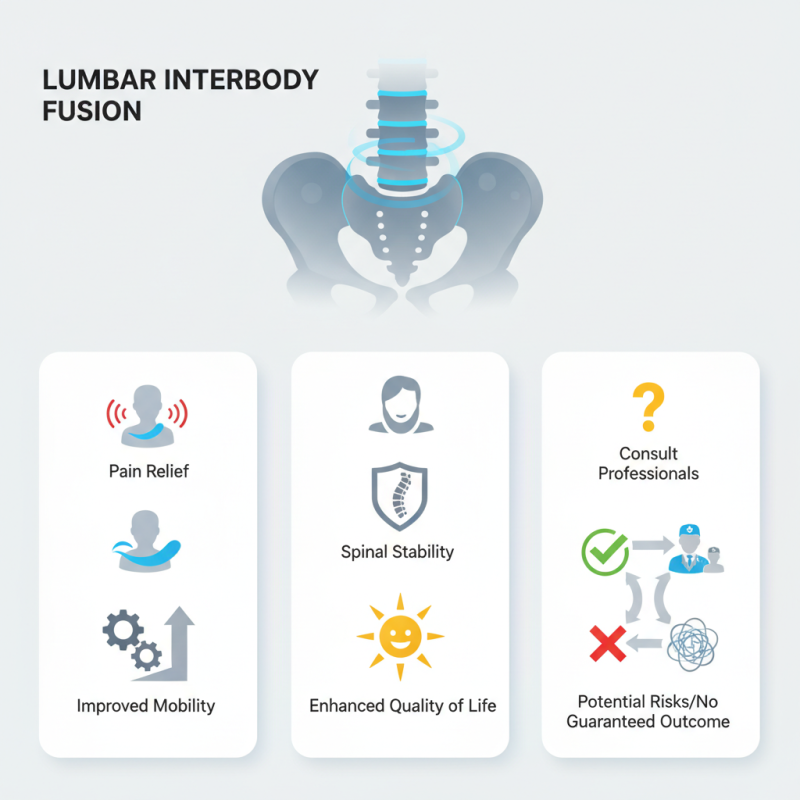
The procedure involves fusing vertebrae in the lower back. Surgeons place a bone graft between the vertebrae to promote healing. This process offers stability, which can lead to a reduction in pain. Patients often report improved mobility and quality of life after surgery. Yet, it is not without risks. Complications can occur, and not every patient experiences the same level of improvement.
Understanding the advantages of lumbar interbody fusion can be crucial for those considering surgery. Each individual’s situation is unique, and careful evaluation is needed. It is essential to consult with qualified professionals who can provide personalized advice. This ensures informed decisions are made regarding spinal health and treatment options.
Advantages of Lumbar Interbody Fusion in Spine Surgery Patients
Lumbar interbody fusion is a significant procedure for patients with spine issues. This surgery aims to alleviate pain and restore function. One major advantage is the reduction of discomfort in the lower back. By fusing the vertebrae, the procedure limits movement in the affected area, which can lead to a noticeable decrease in pain sensation.
Another key benefit is the improved stability of the spine. Patients often experience greater mobility and less strain on surrounding muscles. This stability can enhance overall quality of life for those living with chronic pain. Additionally, the procedure can provide a lasting solution compared to non-surgical options. However, some patients may experience challenges during recovery. Healing takes time and may not be smooth for everyone.
Lastly, lumbar interbody fusion can lead to better neurological function. When compression on nerves is relieved, patients often report improved sensations in their legs and feet. Yet, it's essential for patients to weigh these benefits against potential risks. Active discussions with healthcare providers can help set realistic expectations. Each individual’s experience may differ, and a thoughtful approach is vital.
Improved Spinal Stability Through Lumbar Interbody Fusion
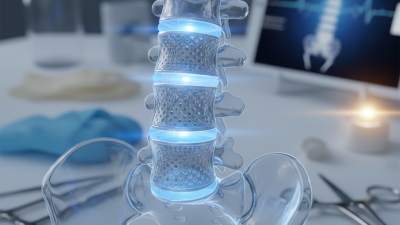
Lumbar interbody fusion (LIF) has become a significant surgical technique for improving spinal stability. This procedure involves fusing two vertebral bodies with an interbody graft. According to the North American Spine Society, lumbar fusion provides a solid foundation for spine alignment, yielding success rates of up to 90% in alleviating pain and improving function. Enhanced stability helps prevent further degeneration and promotes better overall spinal health.
The process involves removing damaged discs and placing a bone graft or synthetic implant in the disc space. Studies show that patients experience reduced mobility limitations post-surgery. A report from the Journal of Bone and Joint Surgery highlights that over 60% of patients report significant pain relief within six months. However, achieving lasting results relies on proper patient selection and adherence to post-operative care.
Despite these benefits, lumbar interbody fusion is not without challenges. Surgical risks such as infection, blood loss, and longer recovery times need consideration. Health professionals stress that a detailed conversation with patients about the potential outcomes is essential. Ultimately, while LIF can significantly enhance stability and quality of life, it is crucial to set realistic expectations.
Enhanced Pain Relief Post-Surgery for Spine Surgery Patients
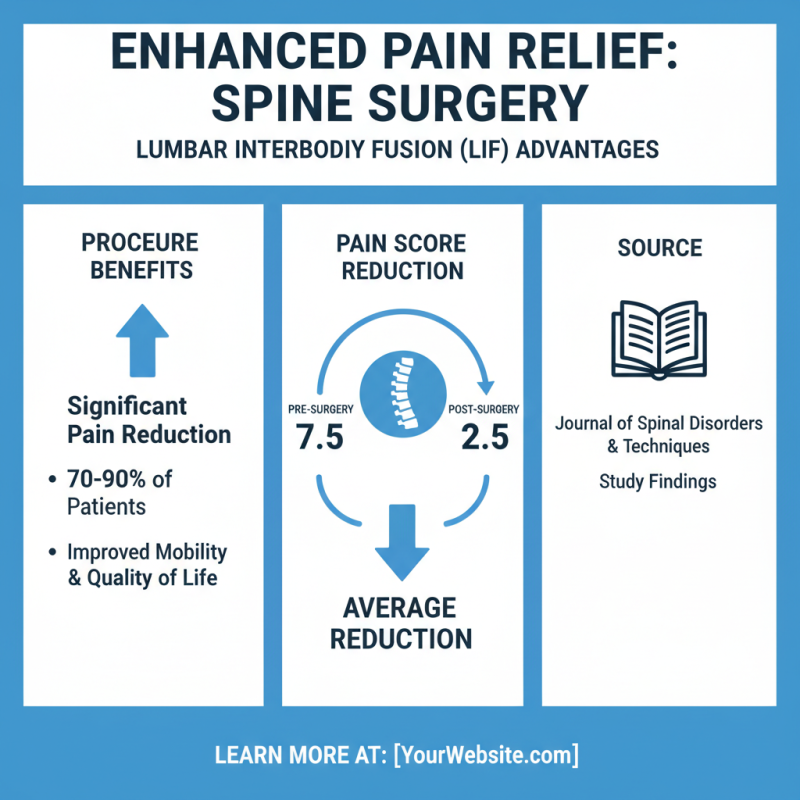
Lumbar interbody fusion (LIF) is gaining traction among spine surgery patients due to its significant advantages in pain relief. Research indicates that around 70-90% of patients experience substantial pain reduction following the procedure. This alleviation often leads to improved mobility and overall quality of life. According to a study published in the Journal of Spinal Disorders & Techniques, patients reported an average pain score reduction from 7.5 pre-surgery to 2.5 post-surgery, highlighting the procedure’s effectiveness.
Pain management strategies post-surgery should not be overlooked. Continuity in recovery practices ensures lasting relief. Many patients benefit from physical therapy, which can enhance the fusion process. The American Academy of Orthopaedic Surgeons recommends tailored rehabilitation programs. Constant communication with healthcare providers can lead to better outcomes and faster recovery.
Tips to enhance post-surgery recovery include engaging in gentle exercises, maintaining a healthy diet, and staying hydrated. However, it's crucial to remember that progress may not be linear. Some patients may experience setbacks or increased discomfort during the healing process. Acknowledging these challenges is essential for realistic recovery expectations. Adapting your recovery plan based on feedback from your body can create a more effective pathway to long-term relief.
Facilitation of Faster Recovery with Lumbar Interbody Fusion
Lumbar interbody fusion (LIF) is gaining popularity among spine surgery patients. A significant benefit of this procedure is the potential for faster recovery. Unlike traditional spinal surgery, LIF stabilizes the spine while promoting healing. This dual advantage reduces overall recovery time for many patients.
After the surgery, patients can engage in physical therapy sooner. Early rehabilitation helps restore mobility and strength. Many patients find that they can return to daily activities faster compared to other surgical options. Some may even notice pain relief within weeks, allowing for an improved quality of life.
Tips for a successful recovery include:
- Follow your surgeon’s post-operative care instructions closely.
- Attend all scheduled physical therapy sessions to aid your recovery.
- Stay hydrated and eat balanced meals to support healing.
While recovery times may vary, ongoing challenges can arise. Pain management is essential. Communicating any discomfort to your healthcare team is crucial. Every patient's experience is unique, and it’s important to adapt to your own healing process. Acknowledging these factors can help you stay positive and committed to your recovery.
Top Benefits of Lumbar Interbody Fusion for Spine Surgery Patients
Long-term Outcomes and Success Rates of the Procedure
Lumbar interbody fusion (LIF) is a key option for patients with chronic back pain due to disc degeneration or spinal instability. Research shows that long-term outcomes of LIF are promising. Studies indicate that approximately 80% of patients report significant pain relief and improved function three to five years post-surgery. This statistic highlights the success of the procedure and its positive impact on patients’ quality of life.
It’s important to consider the recovery process. While many patients experience favorable outcomes, not everyone achieves the same level of improvement. Factors such as age, overall health, and adherence to post-operative care play significant roles. A patient’s commitment to rehabilitation influences long-term success rates. A study published in the Journal of Spinal Disorders reported that proper physical therapy can enhance fusion rates significantly.
Tips for recovery: Maintain a balanced diet rich in vitamins and minerals. This supports healing. Engage in light activity, as recommended by your surgeon. Avoid heavy lifting during the initial recovery phase. Regular check-ups will help track progress and address any complications early. Being informed and proactive enhances your chances of a successful outcome.