What is Lumbar Interbody Fusion and Its Benefits?
Lumbar interbody fusion is a significant surgical procedure aimed at alleviating chronic back pain. This method focuses on stabilizing the spine by joining two adjacent vertebrae. Surgeons insert a graft, typically made of bone, into the intervertebral space. This can lead to improved alignment and support during recovery.
Many patients experience various benefits from lumbar interbody fusion. The procedure can help correct deformities and reduce nerve compression. A successful surgery often results in restored mobility and pain relief. However, it's essential for patients to understand the potential risks involved as well. Recovery takes time, and not everyone responds similarly.
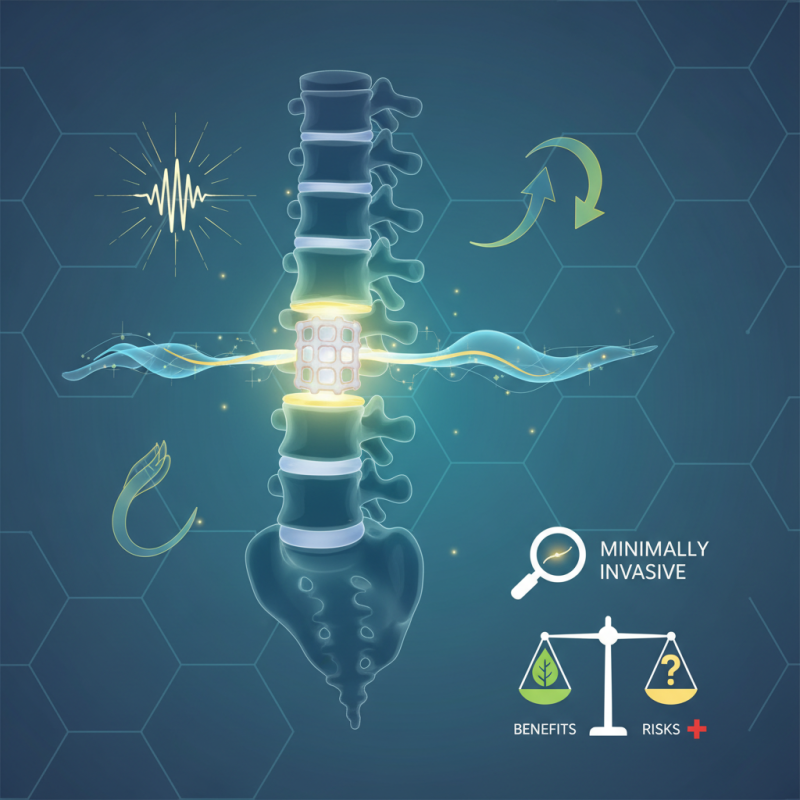
In recent years, advancements in technology have made lumbar interbody fusion more effective. Techniques like minimally invasive approaches are becoming common. Still, outcomes can vary due to individual health conditions. Patients must weigh the benefits against the uncertainties, and engaging with a knowledgeable healthcare provider is vital.
Definition of Lumbar Interbody Fusion
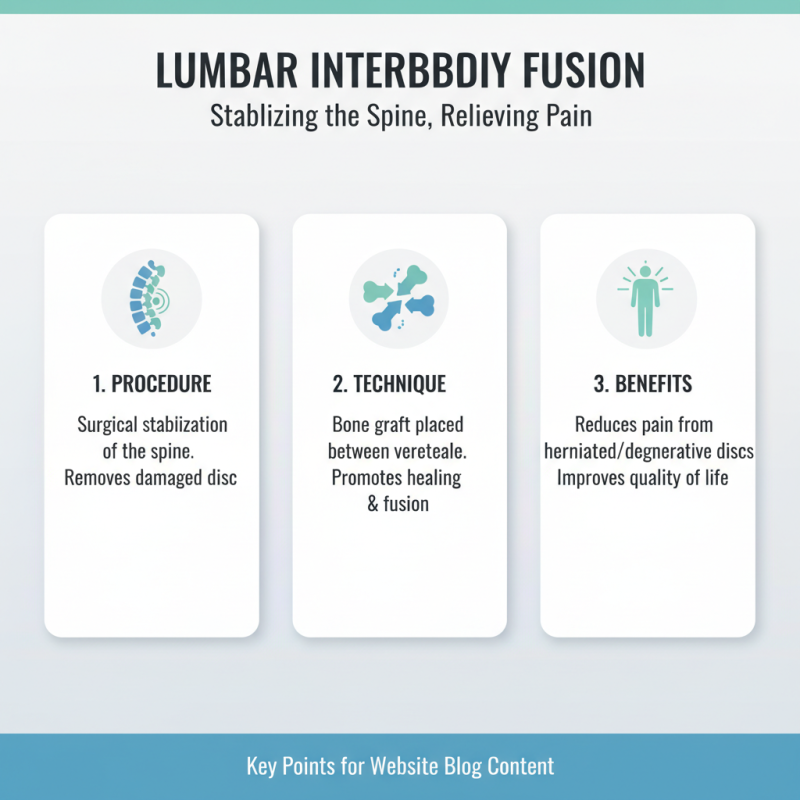
Lumbar Interbody Fusion (LIF) is a surgical procedure designed to address disc degeneration and spinal instability in the lumbar region. This technique involves removing a damaged disc between two vertebrae and replacing it with a bone graft or interbody spacer. The goal is to stabilize the spine, promote bone fusion, and alleviate pain. The procedure can provide significant relief for individuals suffering from chronic back pain that has not responded to conservative treatments.
A vital aspect of LIF is its ability to restore spinal alignment. By fusing the vertebrae, the procedure minimizes abnormal movement, reducing stress on the surrounding structures. Patients often experience improved mobility and a decrease in pain levels post-surgery. However, it is essential to recognize that recovery can be slow and may involve physical therapy.
Tips for a successful recovery include following your doctor's guidelines closely. Engage in gentle activities to enhance flexibility without straining your back. Keep a journal to track your progress; it can help you notice small improvements. Share your experiences with a support group to reflect on your journey, acknowledging that recovery will have ups and downs. These steps can aid in achieving better outcomes from the procedure.
What is Lumbar Interbody Fusion and Its Benefits?
| Aspect |
Details |
| Definition |
Lumbar Interbody Fusion (LIF) is a surgical procedure to fuse two or more vertebrae in the lower back. |
| Purpose |
To alleviate pain, stabilize the spine, and restore normal alignment. |
| Common Indications |
Degenerative disc disease, spinal stenosis, spondylolisthesis, and post-traumatic instability. |
| Benefits |
Reduced pain, improved mobility, and enhanced quality of life post-surgery. |
| Recovery Time |
Typically, 6 weeks to several months, depending on individual circumstances. |
| Risks |
Infection, blood clots, nerve damage, or hardware failure. |
Indications for Lumbar Interbody Fusion Surgery
Lumbar Interbody Fusion (LIF) is increasingly used in spine surgery. This procedure helps relieve pain caused by various conditions. Indications for LIF include degenerative disc disease, spinal stenosis, and spondylolisthesis. Studies show that over 90% of patients report improved function post-surgery. These statistics highlight its effectiveness.
Candidates for LIF often face chronic pain that traditional treatments do not relieve. Age, overall health, and the severity of symptoms influence surgical decisions. Patients with prior back surgeries may also benefit from LIF. According to the American Academy of Orthopaedic Surgeons, patients should weigh potential risks against benefits carefully.
Tips: Always consult with a spine specialist. Discuss all treatment options to find the right choice. Consider seeking a second opinion if unsure about the recommended surgery. Understanding the procedure can help in decision-making. Know that while LIF can bring significant benefits, recovery is gradual and may require rehabilitation.
Procedure and Techniques Used in Lumbar Interbody Fusion
Lumbar interbody fusion (LIF) is a surgical procedure that aims to stabilize the spine. It helps relieve pain from herniated discs or degenerative disc disease. Surgeons typically use bone grafts to promote healing between vertebrae. This procedure can significantly improve a patient's quality of life.
During the LIF procedure, the surgeon removes damaged disc material. Next, they insert a spacer filled with bone graft material between the vertebrae. This space encourages fusion, helping the spine regain stability. Various techniques, such as anterior, posterior, or lateral approaches, can be applied. Each method has unique benefits and risks.
Despite the effectiveness, challenges can arise. Not all patients experience the same relief. Some may encounter complications, such as infection or non-union of the bones. Patients should discuss these risks with their healthcare provider before proceeding with surgery. Understanding the nuances of lumbar interbody fusion can lead to better decisions regarding treatment options.
Potential Benefits and Positive Outcomes of Lumbar Interbody Fusion
Lumbar interbody fusion (LIF) is a surgical procedure aimed at alleviating pain associated with degenerative disc disease, spondylolisthesis, or spinal instability. By fusing two or more vertebrae together, this technique stabilizes the spine and promotes healing. Patients typically experience significant reductions in pain levels post-surgery. Long-term benefits also include improved mobility and functionality.
The potential benefits of lumbar interbody fusion are extensive. Many patients report a return to daily activities after recovery. Enhanced quality of life is often the most notable change. Additionally, for some, the procedure can prevent future complications that may arise from spinal instability. It can lead to better alignment, reducing the risk of further injuries.
Tips for recovery include following your healthcare provider's guidelines on activity levels. Gentle movements and physical therapy can aid healing. Maintaining a healthy weight will also promote spinal health. Pay close attention to any signs of complications during recovery. Listen to your body and seek help if pain persists. Being patient with the recovery process is essential, as it can take time to notice significant improvements.
Benefits of Lumbar Interbody Fusion
This chart illustrates the potential benefits of Lumbar Interbody Fusion based on reported patient outcomes. The data reflects percentages indicating the degree of success in various areas such as pain relief and improved mobility.
Risks and Considerations Associated with Lumbar Interbody Fusion
Lumbar interbody fusion (LIF) is a common surgical procedure for treating degenerative spine conditions. Despite its many benefits, it comes with inherent risks. According to a study published in the "Spine Journal", complication rates can reach up to 30% in certain patient populations. These complications often include infection, nerve injury, and surgical site issues. The decision to undergo LIF should involve thorough discussions between patients and their healthcare providers.
One critical consideration is the potential impact on adjacent spinal segments. A report from the American Academy of Orthopaedic Surgeons indicates that adjacent segment disease occurs in about 20% of LIF patients over five years. This phenomenon may require further surgeries, creating a cycle of intervention. Additionally, postoperative recovery may vary among individuals, with some experiencing significant discomfort and limited mobility.
Understanding these risks is crucial. Patients must weigh the likelihood of complications against potential benefits like pain relief and improved functionality. Engaging with knowledgeable healthcare professionals can help illuminate these factors and guide informed decisions. Ultimately, a personal assessment of health and lifestyle is essential in determining the suitability of lumbar interbody fusion.