Interbody fusion is a critical surgical procedure designed to restore spinal health. It involves inserting a graft between vertebrae to promote healing. As spine conditions become more prevalent, understanding effective techniques is crucial.
Numerous interbody fusion methods exist. Each offers unique benefits and challenges. Surgeons must choose the right technique based on the patient's needs. Techniques range from traditional approaches to advanced, minimally invasive options.
Patients often seek relief from pain and improved mobility. However, the effectiveness of each technique can vary. Some methods may lead to complications. This uncertainty highlights the importance of expert evaluation and patient education. Engaging with a skilled spine specialist is vital to achieve the best outcomes.
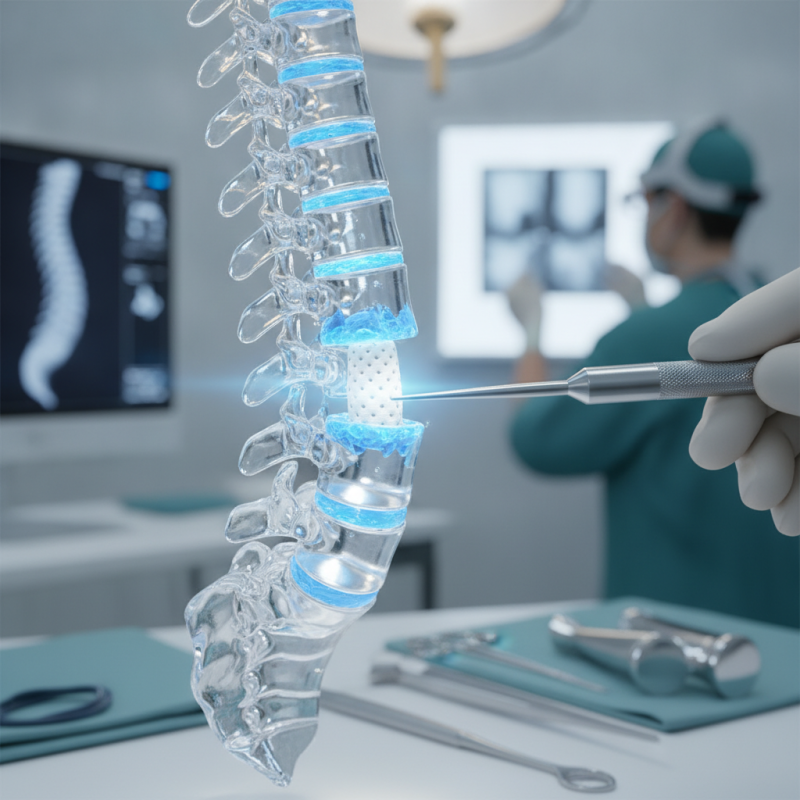
When considering spinal health, interbody fusion techniques play a crucial role. These methods help stabilize the spine and relieve pain. Options include various approaches, such as anterior, posterior, and lateral. Each method offers unique benefits, depending on the patient's condition.
It’s important to discuss techniques with a knowledgeable spine specialist. They can provide tailored advice. Newer methods, like robotic-assisted or minimally invasive surgeries, may benefit specific cases. However, not every patient is suitable for advanced options. Evaluation is key.
Tips: Always seek a second opinion if uncertain. Understanding all available techniques can empower patients. Gather information from multiple sources but keep a critical eye on the reliability of each. Don’t rush into a decision; take time to weigh the pros and cons of each technique.
Interbody fusion techniques are crucial in spinal surgery. They offer numerous benefits, making them a favored choice for restoring spinal health. According to recent studies, over 90% of patients experience pain relief following interbody fusion. This technique involves placing a graft between spinal vertebrae to promote bone growth and stability.
The primary advantage of interbody fusion is its ability to reduce instability and pain. Research shows that spinal fusion can significantly improve mobility, with many patients reporting enhanced quality of life. A study published in the Journal of Neurosurgery noted that more than 85% of patients returned to normal activities within six months post-surgery.
Not all techniques are without risks. Complications can occur, including non-union or adjacent segment degeneration. Surveys indicate that nearly 10-15% of patients may face challenges after surgery. These statistics underscore the importance of patient selection and thorough preoperative evaluations. Understanding both the benefits and risks is vital for informed decision-making.
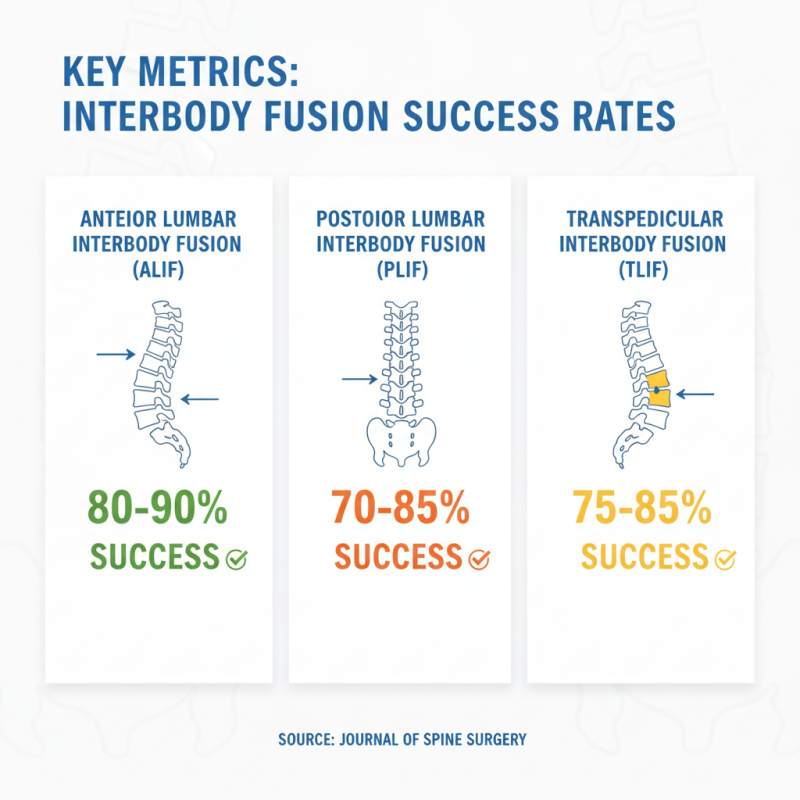
Interbody fusion techniques are essential for restoring spinal health. The success rates of these methods vary significantly across different approaches. According to a systematic review published in the Journal of Spine Surgery, the success rate for anterior lumbar interbody fusion (ALIF) stands at approximately 80-90%. However, some techniques may yield lower outcomes. The posterior lumbar interbody fusion (PLIF) method demonstrates a success rate between 70-85%, depending on patient-specific factors.
Notably, the choice of graft material can influence outcomes. Autograft materials often lead to higher fusion rates, sometimes exceeding 90%. Conversely, synthetic grafts may report success rates closer to 70%. A study in Spine found that minimally invasive techniques also show promising results, with success rates near 85-90%. Yet, these approaches require extensive training and may not always be suitable for all patients.
Complications are also a consideration. Infection rates can range from 1-4%, impacting overall success. Additionally, patient demographics play a crucial role in outcomes. Age and comorbid conditions can contribute to variations in success rates. All these factors highlight the importance of individualized treatment plans, as no single technique universally ensures success in spinal fusion.
Minimally invasive fusion techniques have gained popularity in recent years. These methods promise reduced recovery times and less scarring. According to a study published in the Journal of Spine Surgery, minimally invasive techniques result in 30% less blood loss compared to traditional surgery. Patients feel less post-operative pain and often return to daily activities sooner.
However, traditional methods are still widely used and can offer advantages. For complex cases, open surgeries allow for better visualization and access to the spine. Data from the American Academy of Orthopaedic Surgeons shows that traditional fusion can be more reliable for severe spinal deformities. Surgeons recommend evaluating each patient’s specific needs when deciding on the technique.
**Tip:** Discuss with your surgeon about the potential risks of each technique. Understanding your unique spinal condition helps in making an informed decision.
Conversely, minimally invasive methods may not be suitable for everyone. Some patients might experience longer operation durations due to technical limitations. It's essential to weigh the pros and cons thoroughly.
**Tip:** Always consider a second opinion if you're uncertain about the recommended treatment. Different surgeons might offer unique insights into the best approach for your situation.
Advancements in interbody fusion techniques have reshaped spinal health restoration. Future trends highlight a shift towards minimally invasive methods. These innovations use smaller incisions and faster recovery times. Surgeons are increasingly adopting robotic-assisted procedures. This technology enhances precision, reducing complication rates. Surgeons can perform complex maneuvers with greater accuracy.
Research is also focusing on new materials. Biocompatible implants are being developed to promote better integration with bone. These materials can reduce the risk of implant rejection. Current studies are exploring 3D printing technology for custom implants. Tailored designs may improve outcomes for patients with unique spinal conditions. However, these advancements present challenges in terms of cost and accessibility.
Another important area is biological enhancement strategies. Stem cell therapy shows promise in aiding recovery and improving fusion rates. Nonetheless, the long-term effects and optimal applications remain unclear. As the field evolves, further research is essential to address these uncertainties. Continuous evaluation of outcomes will guide future innovations in interbody fusion, contributing to safer and more effective treatments.
| Technique | Description | Advantages | Future Trends |
|---|---|---|---|
| Transforaminal Interbody Fusion (TLIF) | A technique that accesses the spine through the side, minimizing disruption to the back muscles. | Less postoperative pain and quicker recovery time. | Adoption of robotic assistance for precision. |
| Anterior Interbody Fusion (ALIF) | Accessing the spine from the front allows for optimal disc space preparation. | Better fusion rates due to direct access to the disc. | Emerging materials for implants that promote better bone growth. |
| Posterior Interbody Fusion (PLIF) | Involves access from the back and typically uses screws and rods along with the graft. | Decreased risk of nerve injury. | Advancements in imaging techniques for better surgical outcomes. |
| Lateral Lumbar Interbody Fusion (LLIF) | Access to the spine from the side reduces muscle damage. | Less blood loss compared to traditional techniques. | Integration of minimally invasive technologies. |
| Expandable Interbody Devices | Devices that expand after insertion allowing for optimal sizing. | Customizable to patient anatomy and better stability. | Innovative designs for improved load-bearing capacity. |
| Cage Technologies | Use of various materials and designs to maximize fusion and minimize complications. | Increased surface area for bone growth. | Research into bioactive coatings for enhanced healing. |
| Biologic Enhancements | Utilizing growth factors or stem cells to aid in bone healing. | Promotes faster healing and better fusion rates. | Ongoing clinical trials on effective biologics. |
| Navigation Systems | Advanced systems that provide real-time feedback during surgery. | Improves accuracy in implant placement. | Integration with augmented reality for enhanced visualization. |
| Robotic-Assisted Fusion | Use of robotic systems to assist surgeons during fusions. | Enhanced precision and reduced fatigue for surgeons. | Continued development towards full automation of procedures. |